
I still remember a call I got one rainy night in Takoradi.
A homeowner was panicking because water was dripping through a “brand-new” ceiling. The house was barely three years old. When I got there, the problem was obvious: cheap materials used in the wrong place, just to save a little money upfront.
That job stuck with me.
Building or renovating a home in Ghana is not the same as building in Europe or North America. Our sun is harsher. Our rains can be brutal. Our soil varies wildly from place to place. If you choose the wrong materials, the house will remind you every single rainy season.
This article is for homeowners who want their houses to last, not just look good on commissioning day.
Let’s talk about the Top 7 Durable, Ghana-Friendly Building Materials for Long-Lasting Homes. Materials I’ve seen perform well year after year on real sites, not just in brochures.
1. Sandcrete Blocks (When Properly Made)
What it is
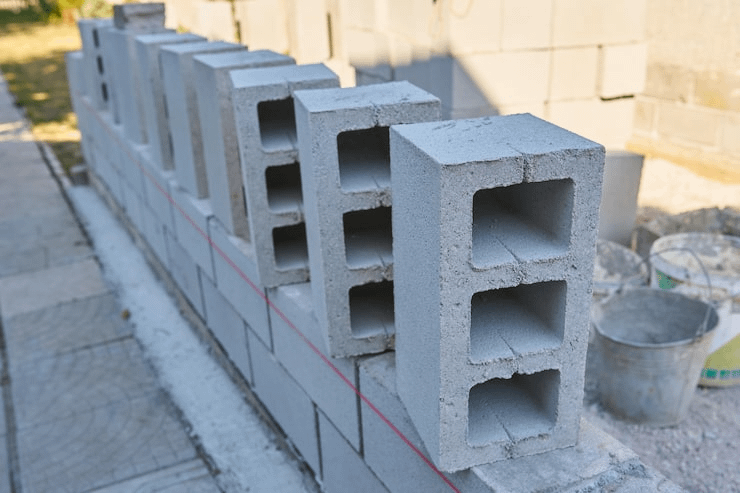
Sandcrete blocks are the most common walling material in Ghana. They’re made from cement, sand, and water.
Why it matters.
Good blocks are the backbone of a strong house. Bad ones crumble faster than gari in hot water.
A practical example.
On a site in Cape Coast, we rejected an entire batch of blocks because they broke when dropped from waist height. The client wasn’t happy until we rebuilt with proper 1:6 mix blocks. Ten years later, the walls are still solid.
Common mistake to avoid
Buying blocks solely based on price. Cheap blocks often mean too much sand, too little cement, and zero curing.
Pro tip: Always test blocks. Drop one. If it shatters, don’t argue—walk away.
2. Burnt Clay Bricks.

What it is.
Burnt clay bricks are made from natural clay fired in a kiln until hard.
Why it matters.
They handle heat well, resist moisture better than weak blocks, and age beautifully.
A practical example.
The Coconut Grove hotel in Elmina is a practical example of using Burnt Clay. For all these years, the hotel is still very strong and has experienced No plaster peeling. No structural cracks. Just solid walls.
Common mistake to avoid
Using under-burnt bricks. If it still looks pale or chalky, it won’t last.
Small humor: If the brick looks scared of fire, it probably didn’t see enough of it.
3. Reinforced Concrete (Used Wisely)
What it is
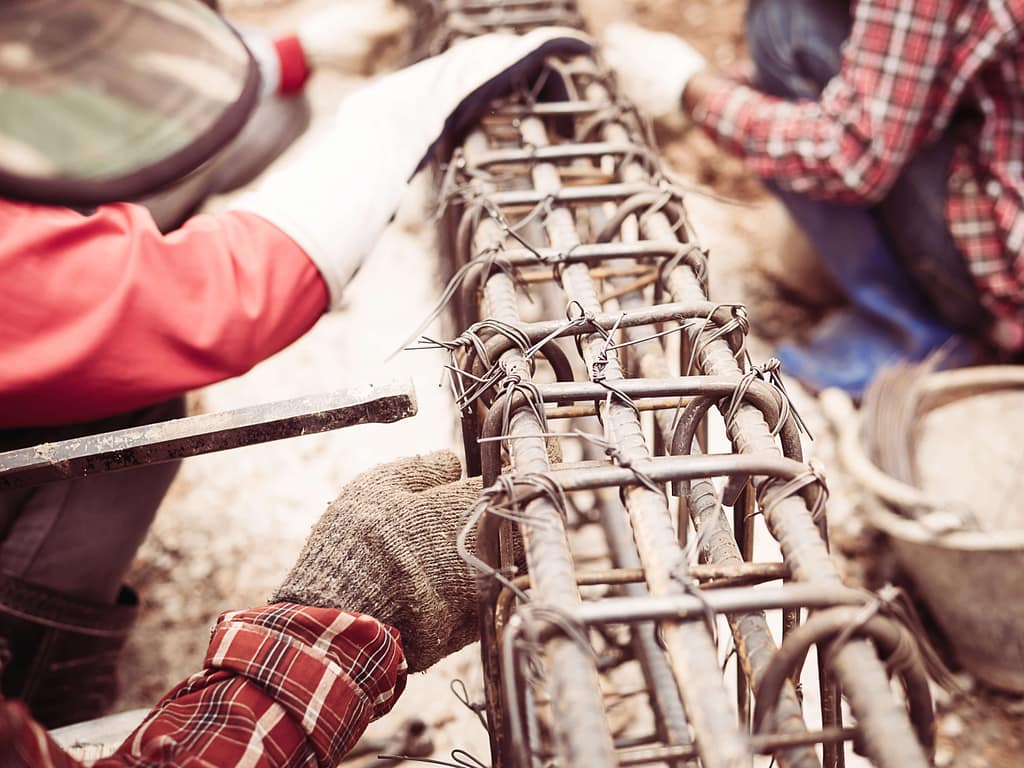
Concrete strengthened with steel reinforcement bars (iron rods).
Why it matters
This is what keeps your house standing during heavy rains, soil movement, and long-term load.
A practical example
In flood-prone areas, reinforced concrete foundations outperform shallow masonry every time. I’ve seen houses survive erosion simply because the footing was done right.
Common mistake to avoid
Reducing steel size or spacing to “save money.” That saving disappears when cracks start showing.
Pro tip: Concrete strength comes from correct mix and proper curing—not vibes.
4. Stone Aggregates (Chippings, Not Quarry Dust Alone)
What it is.
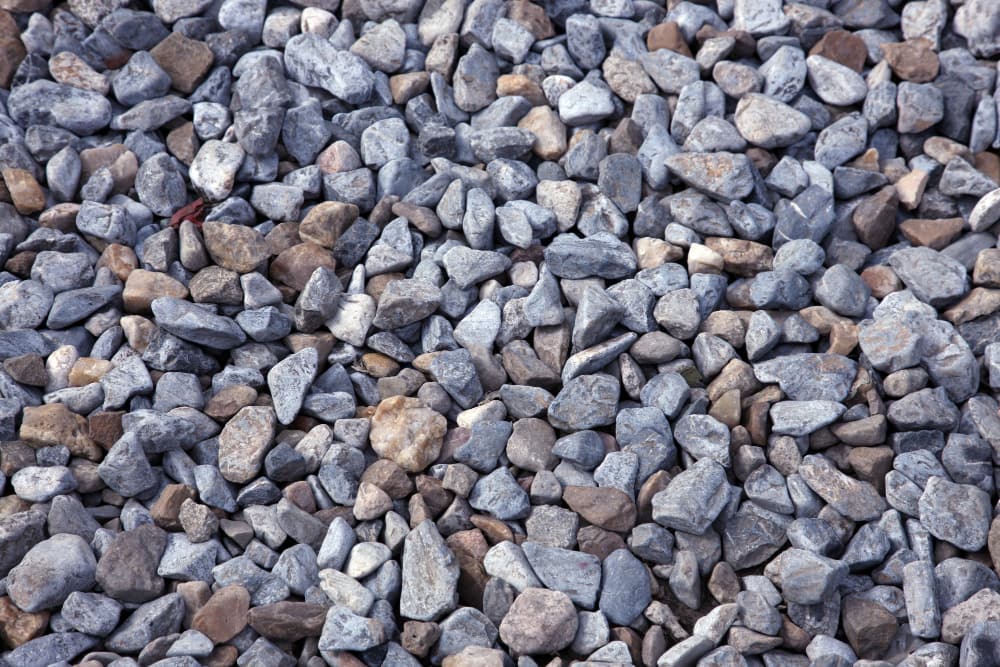
Crushed stones used in concrete to provide strength and durability.
Why it matters.
Concrete without proper chippings is weak concrete—no matter how much cement you add.
A practical example.
I once inspected a slab that sounded hollow when tapped. They used quarry dust only. Three years later, tiles started popping off like popcorn.
Common mistake to avoid.
Replacing chippings completely with quarry dust.
Rule of thumb: Quarry dust assists. Chippings carry the load.
5. Long-Span Aluminium Roofing Sheets.
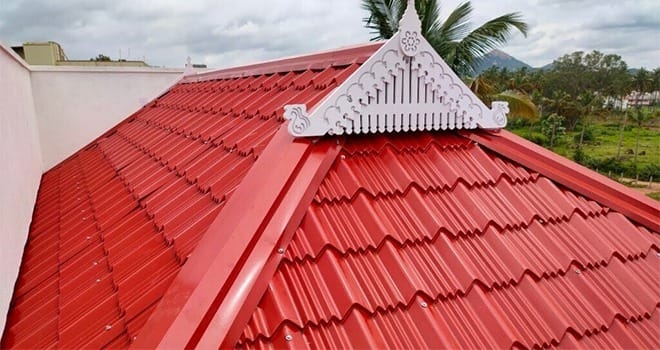
What it is.
Aluminium roofing sheets designed to cover longer distances with fewer joints.
Why it matters.
Fewer joints mean fewer leaks. Aluminium also resists rust better in coastal and humid areas.
A practical example.
In coastal towns like Elmina, galvanized sheets often fail early. Aluminium roofs there last significantly longer with proper installation.
Common mistake to avoid.
Using very thin gauge sheets. They’re noisy, dent easily, and won’t last.
Pro tip: Ask for the gauge. If the seller avoids the question, be suspicious.
6. Hardwood Timber (Properly Seasoned)
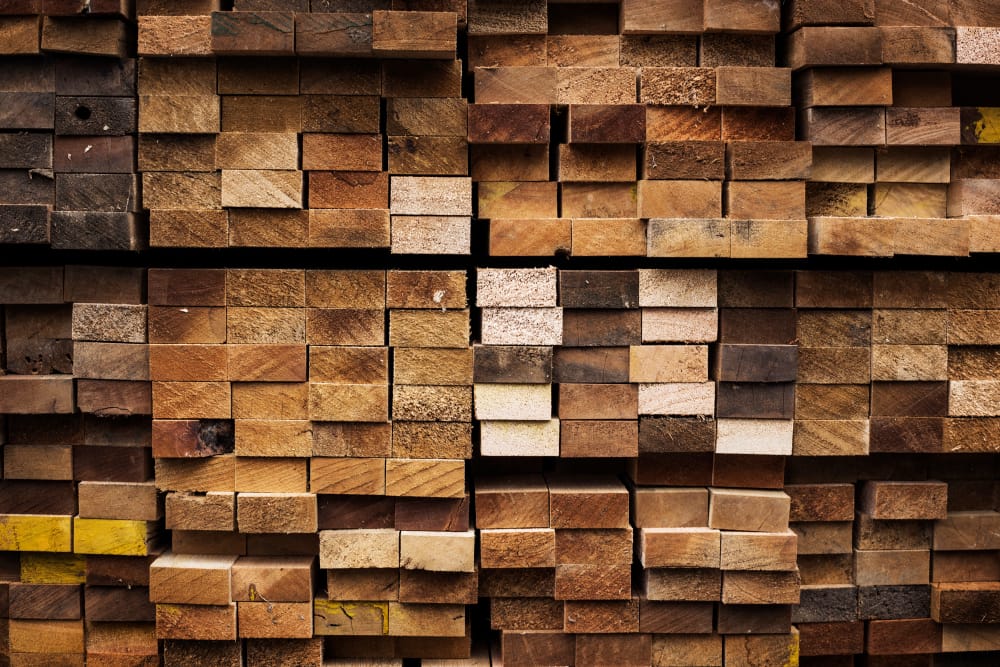
What it is.
Dense local hardwoods like Odum or Mahogany, used for roofing and joinery.
Why it matters.
Good timber resists termites, warping, and long-term load stress.
A practical example.
I’ve replaced rotten whitewood roofs after just five years. Meanwhile, seasoned hardwood roofs from the 90s are still doing their job.
Common mistake to avoid.
Using fresh (unseasoned) wood. It will shrink, twist, and invite termites.
Small truth: Termites love cheap wood more than you love free Wi-Fi.
7. Ceramic & Porcelain Tiles (Right Grade Only)
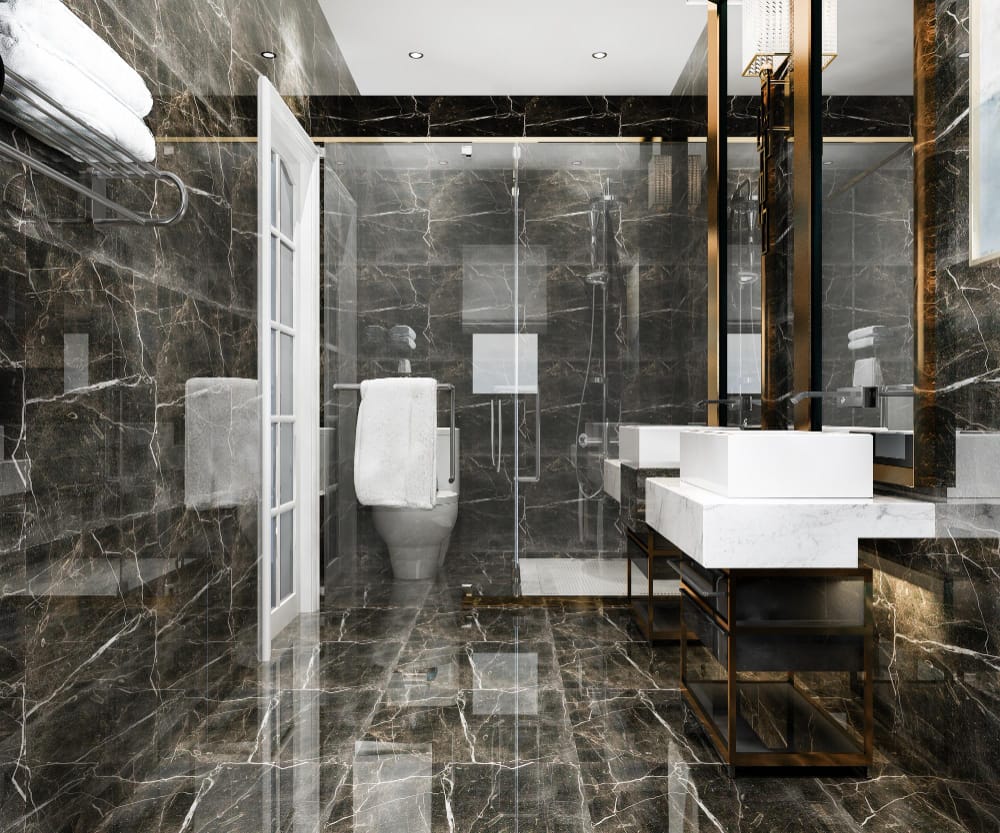
What it is.
Hard-fired tiles used for floors and walls, especially kitchens and bathrooms.
Why it matters.
They resist water, stains, and wear when properly chosen.
A practical example.
Porcelain tiles in high-traffic areas like kitchens last far longer than cheap ceramics that crack under pressure.
Common mistake to avoid.
Choosing tiles by looks only. Some tiles are wall-only—use them on the floor and regret follows.
Pro tip: Ask for PEI rating for floor tiles.
Practical Tips From the Site
-
Always budget for quality first, finishes later
-
Buy materials with your mason present
-
Cure concrete for at least 7 days (yes, water matters)
-
Document what goes into your building—you’ll thank yourself later
A durable house is quiet. No cracks screaming at you. No ceilings dripping at midnight.
Frequently Asked Questions (FAQ)
1. What is the most durable building material for houses in Ghana?
Reinforced concrete combined with quality sandcrete blocks or clay bricks offers the best durability when properly done.
2. Are sandcrete blocks strong enough for long-lasting homes?
Yes—if they’re well-mixed, properly cured, and not overloaded structurally.
3. Is aluminium roofing better than galvanized sheets in Ghana?
In humid and coastal areas, aluminium performs better because it resists rust.
4. Can I mix quarry dust only for concrete?
No. Quarry dust alone weakens concrete. Always include stone aggregates.
5. What timber lasts longest for roofing in Ghana?
Seasoned hardwoods like Odum last far longer than soft or unseasoned wood.
6. How can I tell if building materials are poor quality?
Test them. Drop blocks, inspect steel size, check timber dryness, and ask questions.
7. Is it cheaper to build durable from the start?
Yes. Repairs, replacements, and stress cost far more in the long run.
If you found this useful, share it with someone planning a build or renovation.
Too many homes fail early—not because of bad intentions, but bad material choices.
A good house doesn’t beg for repairs.
It quietly stands there, year after year, doing its job.
