
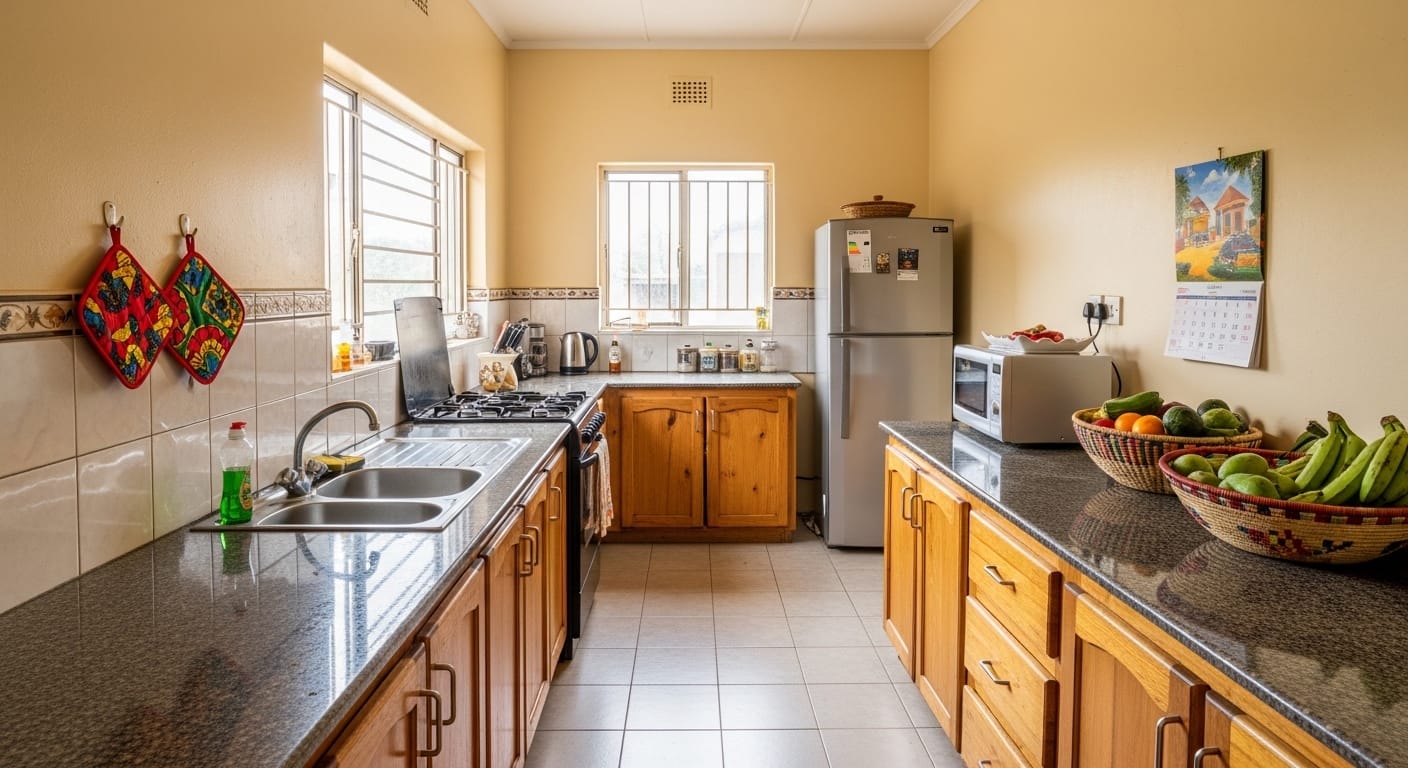
I once met a homeowner in Takoradi who proudly told me, “Master, my kitchen remodeling nearly ended my marriage.”
He was joking… but not really.
They had knocked down a wall without checking where the water pipes ran. Two weeks later, the kitchen was flooded, the budget was blown, and tempers were high. I’ve been in building construction long enough to know this story is not special. It happens everywhere—from Accra to Kumasi, and even outside Ghana.
Kitchen remodeling looks simple on Instagram. In real life, it’s one of the easiest ways to waste money if you don’t plan properly.
This article is me talking to you like I would a friend or client sitting across the table. No big grammar. No contractor drama. Just the things you must know before you touch that kitchen.
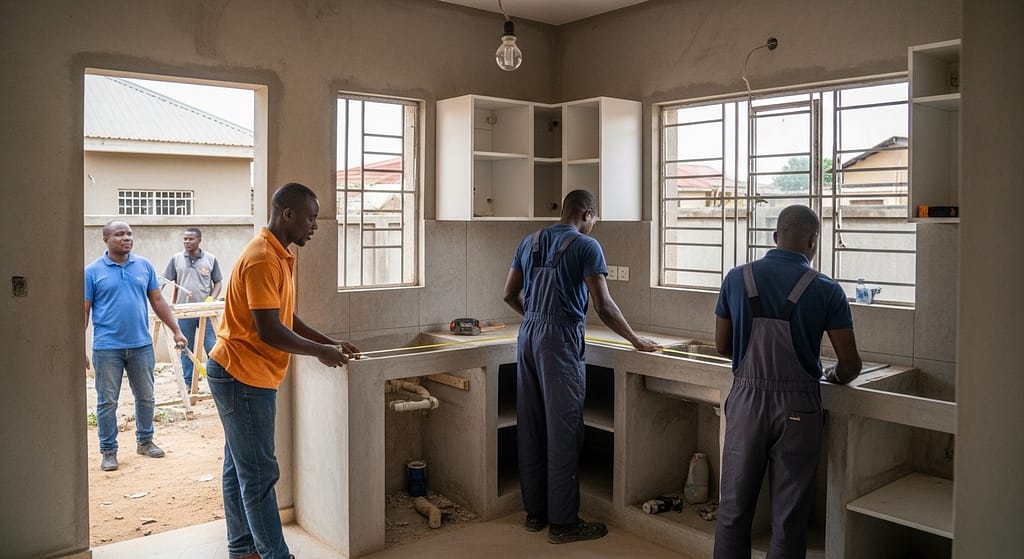
1. Know Why You’re Remodeling Your Kitchen
What it is
This is about being clear on your real reason for kitchen remodeling.
Is it for looks?
More space?
Better ventilation?
Or because the tiles from 2003 have refused to die?
Why it matters
Your reason determines every decision—layout, budget, materials, even how long the work should last.
If you don’t know why, your contractor will decide for you. That’s not always good.
Practical example
Many homes in Ghana were built with very small kitchens because cooking was done outside. Today, people want modern indoor kitchens with cabinets, gas cookers, and sometimes dishwashers.
If your goal is modern convenience, you’ll design differently than someone just changing tiles.
Common mistake to avoid
Remodeling because your neighbor did it.
That’s how budgets suffer and regret enters quietly.
2. Set a Realistic Budget (Not a Dream Budget)
What it is
Your budget is not what you wish to spend.
It’s what you can afford plus surprises.
Why it matters
Kitchen remodeling always has surprises. Always.
Hidden pipe leaks.
Weak walls.
Outdated wiring.
If your budget is tight, the project will stop halfway. Half kitchens are sad places.
Practical example
In Ghana today, a modest kitchen remodel can range anywhere from GHS 25,000 to over GHS 100,000, depending on finishes, cabinets, appliances, and labour.
Imported cabinets and quartz countertops will raise the cost fast.
Common mistake to avoid
Spending everything on cabinets and leaving nothing for plumbing, electrical work, or ventilation.
Your kitchen must work before it looks good.
3. Understand Your Kitchen Layout Options
What it is
This is how your kitchen is arranged—sink, cooker, fridge, cabinets.
Common layouts include:
- Straight-line kitchen
- L-shaped kitchen
- U-shaped kitchen
- Island kitchen
Why it matters
A bad layout means wasted steps, cramped movement, and constant frustration.
A good layout saves time and energy—especially if you cook often.
Practical example
In many Ghanaian homes, the L-shaped kitchen works best because it fits smaller spaces and allows easy movement.
If you’re adding an island, make sure there’s enough walking space. No one wants to squeeze sideways with hot soup.
Common mistake to avoid
Copying a Pinterest layout without checking your actual room size.
Your kitchen is not a showroom.
4. Plumbing Comes Before Pretty Tiles
What it is
Plumbing includes water supply, drainage, and sink placement.
Why it matters
Once tiles and cabinets are installed, fixing plumbing becomes expensive and destructive.
Water leaks don’t announce themselves. They quietly destroy your cabinets from below.
Practical example
Older Ghanaian houses often use small-diameter pipes or outdated fittings. During kitchen remodeling, it’s smart to upgrade them—even if they still “work.”
Future you will be grateful.
Common mistake to avoid
Leaving old pipes because “they haven’t leaked yet.”
That’s like ignoring a cracked tooth.
5. Electrical Planning Is Not Optional
What it is
This covers sockets, lighting, cooker points, extractor fans, and appliances.
Why it matters
Modern kitchens need power. Lots of it.
Blenders, microwaves, air fryers, water heaters—these things don’t run on prayer.
Practical example
In Ghana, power fluctuations are real. Proper wiring, good sockets, and correct load distribution matter.
You don’t want your fridge and microwave fighting over one socket.
Common mistake to avoid
Adding extension cords everywhere after the remodel.
If I see extensions in a new kitchen, I know planning failed.
6. Choose Materials That Match Your Lifestyle (Not Just Looks)
What it is
Materials include cabinets, countertops, tiles, and fittings.
Why it matters
Some materials look good but suffer in heat, moisture, and heavy use.
Your kitchen must survive:
- Steam
- Oil
- Water
- Heat
- Hard use
Practical example
- MDF cabinets are cheaper but hate water.
- Plywood cabinets last longer in Ghana’s climate.
- Granite countertops handle heat better than some synthetic options.
Common mistake to avoid
Choosing materials only because they are trendy.
Trends fade. Repairs cost money.
7. Ventilation Is Not Decoration
What it is
Ventilation removes smoke, heat, and cooking smells.
Why it matters
Without proper ventilation:
- Walls stain
- Cabinets spoil
- The kitchen becomes uncomfortable
Your kitchen should not feel like a smoke chamber.
Practical example
Many Ghanaian dishes involve frying and heavy cooking. An extractor hood or proper window placement is not luxury—it’s survival.
Common mistake to avoid
Skipping ventilation to save money.
You’ll pay for it later in repainting and repairs.
8. Storage Will Never Be Enough—Plan Extra
What it is
Storage includes cabinets, drawers, pantry space, and shelves.
Why it matters
Kitchens collect things. Plates multiply. Pots appear from nowhere.
If you don’t plan storage well, clutter will win.
Practical example
Built-in pantry cabinets work very well in Ghanaian homes, especially for dry foods like rice, gari, and oil supplies.
Common mistake to avoid
Only planning storage for what you own today.
You will buy more things. Trust me.
9. Timeframes Matter More Than You Think
What it is
This is how long the kitchen remodeling will take—from demolition to final cleaning.
Why it matters
A kitchen out of action disrupts the whole home.
Eating outside every day sounds fun… for one week.
Practical example
A proper kitchen remodel can take 4 to 8 weeks, depending on complexity and material availability.
Imported materials may delay work.
Common mistake to avoid
Believing “we’ll finish in two weeks” without a clear work plan.
Construction time doesn’t respond to motivation speeches.
10. Choose the Right People, Not the Cheapest Quote
What it is
This is about your contractor, carpenter, plumber, electrician, and tiler.
Why it matters
Good work lasts. Bad work becomes a permanent problem.
Kitchen remodeling requires coordination. One mistake affects everything else.
Practical example
In Ghana, many artisans are skilled but not coordinated. A professional who understands the full process saves money in the long run.
Common mistake to avoid
Choosing based on price alone.
Cheap work is often paid for twice.
Frequently Asked Questions About Kitchen Remodeling
1. How much does kitchen remodeling cost in Ghana?
Kitchen remodeling costs vary widely, but most projects fall between GHS 25,000 and GHS 100,000+, depending on size, materials, and labour quality.
2. How long does a kitchen remodel usually take?
A standard kitchen remodel takes 4–8 weeks. Complex designs or imported materials can extend this timeline.
3. Can I remodel my kitchen while living in the house?
Yes, but expect inconvenience. Plan temporary cooking arrangements and prepare for dust and noise.
4. What is the most important part of kitchen remodeling?
Planning. Good planning saves money, time, and stress more than any expensive material.
5. Should I use imported or local kitchen materials?
Both can work well. The key is choosing materials suitable for Ghana’s climate and your usage, not just brand names.
6. Do I need permits for kitchen remodeling?
Minor renovations usually don’t require permits, but major structural changes may. Always check with local authorities.
Kitchen remodeling is not about showing off.
It’s about building a space that works, lasts, and makes daily life easier.
If this article helped you, share it with someone planning a renovation. You might save them money—or a marriage.
And if you plan well, your kitchen will serve you quietly for many years. That’s good construction
Pingback: 10 Renovation Mistakes Homeowners in Ghana Make -